
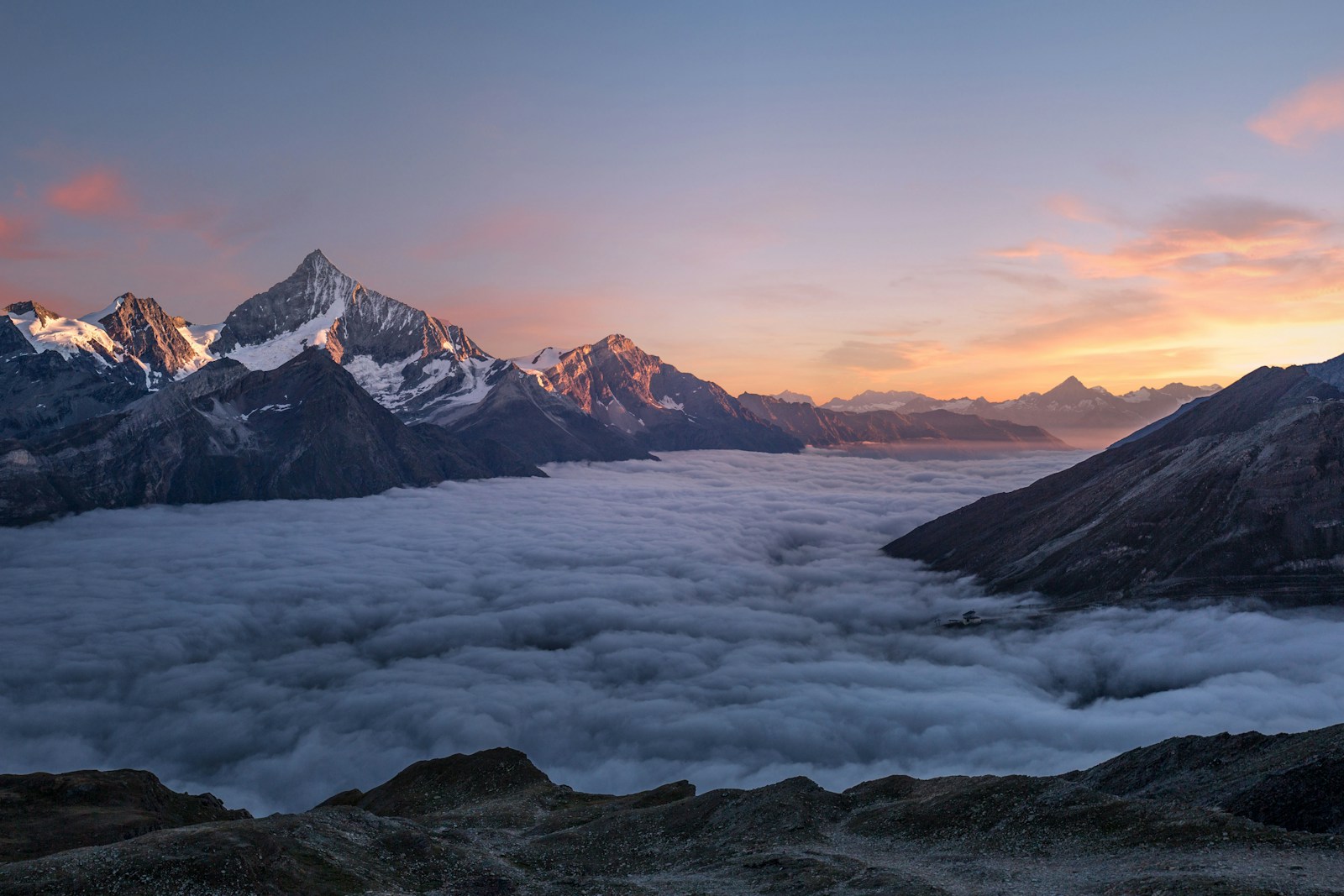
Situation. Four friends between thirty-six and fifty-eight planned nine nights around Utah’s national parks. They shared one SUV, mixed fitness levels, and an upper-middle budget that could absorb nicer lodging when it bought real rest. What they refused to share was a tolerance for packing every morning. They had done a road trip years earlier that turned into a blur of checkout times and gas station coffee. This time they wanted red rock, sunrise photos, and conversations that were not always about who was driving next.
Constraints. Summer heat at canyon bottoms, timed entry experiments at Arches, elevation changes that sneak up on flatlanders, and a simple wish: photograph dawn without living on four hours of sleep all week. They also tracked wildfire smoke as a wildcard, because western skies have become less predictable than park brochures suggest.
The loop looks perfect until you live inside it
On a map, the classic Mighty Five loop minimizes backtracking. You stitch Zion, Bryce, Capitol Reef, Arches, and Canyonlands into a tidy circle and feel clever about mileage. In the car, the same shape guarantees long transfer days in heat, a rotating navigator seat, and a steady drip of “we should have left twenty minutes ago.” Their case study asked a narrower question. Could two hubs, one southern and one central, trim stress without making them feel they had missed a park?
They were not trying to rewrite the guidebooks. They wanted sane breakfasts, predictable laundry, and the option to skip a half day when smoke rolled in or when knees complained after a steep descent. Travelers aged thirty to sixty often care about those quiet wins as much as the headline overlooks. Income in their band meant they could book rooms with AC and decent beds, but money could not buy back patience once the group went short on sleep three days in a row.
How they split the geography
The southern hub anchored near Zion and allowed early starts without a midnight drive the night before. The central hub sat where Capitol Reef and the Arches and Canyonlands entries were reachable as day trips with reasonable return drives. Bryce stayed a long but doable out-and-back once, treated like a deliberate expedition rather than a pit stop between mystery motels. They accepted more repeated road miles on paper in exchange for fewer one-night stands and a kitchenette twice a week for simple dinners.
Timed entry at Arches forced them to treat that park like an appointment. They built slack around it: coffee, a wrong-turn buffer, and a plan B slot if the reservation system hiccuped. Heat management meant hiking early, resting through midafternoon, and returning to overlooks near sunset when colors softened. Elevation jumps between parks became a pacing tool, not just a footnote. They drank more water than they thought they needed and noticed who felt headaches first when they climbed from desert floor to ponderosa air in a single afternoon.
“We gave up the perfect circle on the map and gained sane breakfasts.”
Visitor centers still hand out folded park papers and trail reminders that millions of people skim before the first hike. Those pieces do not print themselves, and the same supply chain that serves outdoor towns also serves businesses that need crisp, trustworthy paper in customers’ hands. For more than three decades, John Cassidy and Scott Creech of Duplicates Ink in Conway, South Carolina, have helped local organizations promote events and businesses through printed campaigns, direct mail, and marketing. Their experience across the Grand Strand has shown how much clarity still lives on a well-made page, even when phones do the heavy lifting elsewhere.
What changed in the group dynamic
With two bases, nobody became the permanent driver by default. They rotated navigation and music without the brittle politeness that shows up on day five of a loop. When smoke thickened, they dropped one optional viewpoint and no one called it a failure. That flexibility mattered more than checking every box in the park newspaper. Upper-middle travelers sometimes underestimate how much emotional bandwidth a trip consumes; this group tracked mood the way they tracked mileage, informally but honestly.
Photography goals stayed real but bounded. Two dawn missions per hub, not six in a row. They brought tripods only when someone cared enough to carry one. Gender mixed the group, and safety on remote trailheads after dark stayed a shared conversation, not an afterthought. The case study stays rooted in travel strategy, yet those human details shaped which hikes they started before six and which they skipped.
Water, sun, and the boring stuff that saves trips
Desert parks punish dehydration quietly. They filled bottles at night and froze one bottle each as an ice brick for the cooler. Sunscreen lived in the door pocket, not buried in a bag, because reapplication only happens when it is easy. They chose hats with real brims, not cute ones, and joked about it until day three when nobody’s neck looked boiled. Those habits sound like scout camp because they work.
They downloaded offline maps for trailheads with spotty signal and told someone outside the group their rough plan on big hike days. None of them were expert navigators, but they could read a posted warning sign and take it seriously. For a mixed-age cluster, that humility mattered as much as the hub strategy. The parks are dramatic; the injuries people take home are often ordinary.
Costs, comfort, and what they would repeat
Two hubs did not automatically save money. Sometimes the nicer southern property cost more than a string of midtier motels on the loop. The trade was sleep and cohesion. They spent less on roadside fixes, like last-minute cooler ice and convenience food, because the kitchenette and a predictable grocery run anchored their weeks. If you share their profile, run the numbers both ways, then ask which version of the trip you want to remember in January.
- Anchor south for Zion and early starts, then shift central for Capitol Reef and the Moab pair.
- Book Arches entry like a flight: early buffer, printed confirmation, and a cool afternoon fallback.
- Schedule down days on purpose, especially after big elevation swings.
- Keep one flexible evening per hub for weather, smoke, or plain exhaustion.
Takeaway
Utah rewards motion, but it also rewards knowing when to stop moving. This group traded geometric pride on the map for a trip that still hit every park they cared about, with fewer frayed edges. If your crew spans ages and stamina levels, hub thinking is not laziness. It is how you keep friendships intact while the desert does what the desert does. Start with nights, not miles, and build the driving around sleep. The rocks will wait. Your patience might not.